L'AZIENDA BIOLOGICA
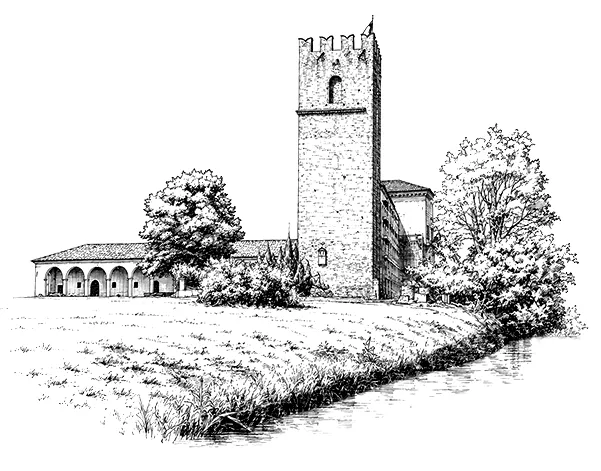
Una storia che scorre a pochi metri dall’Adige, nel cuore rustico del Polesine.
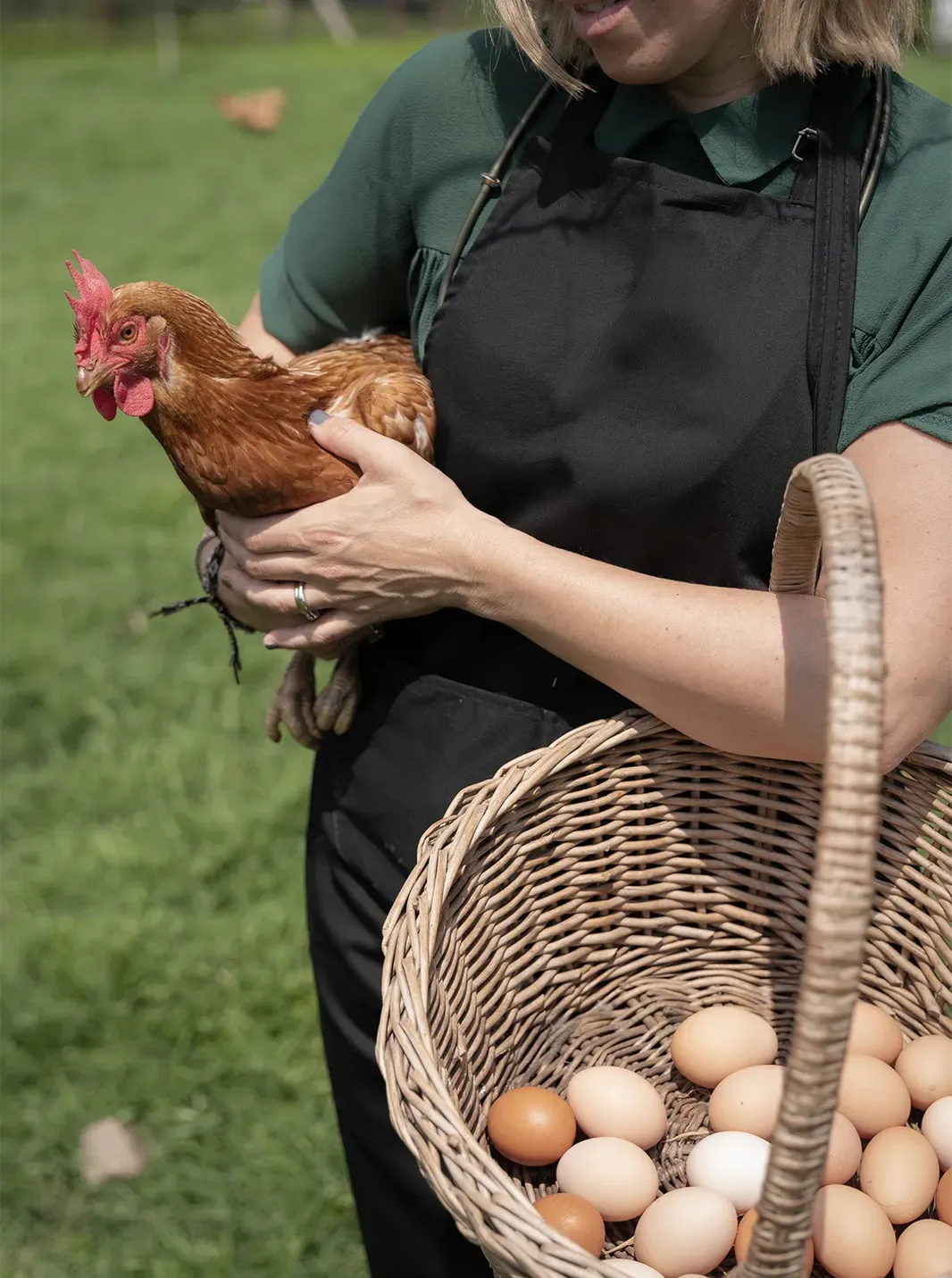
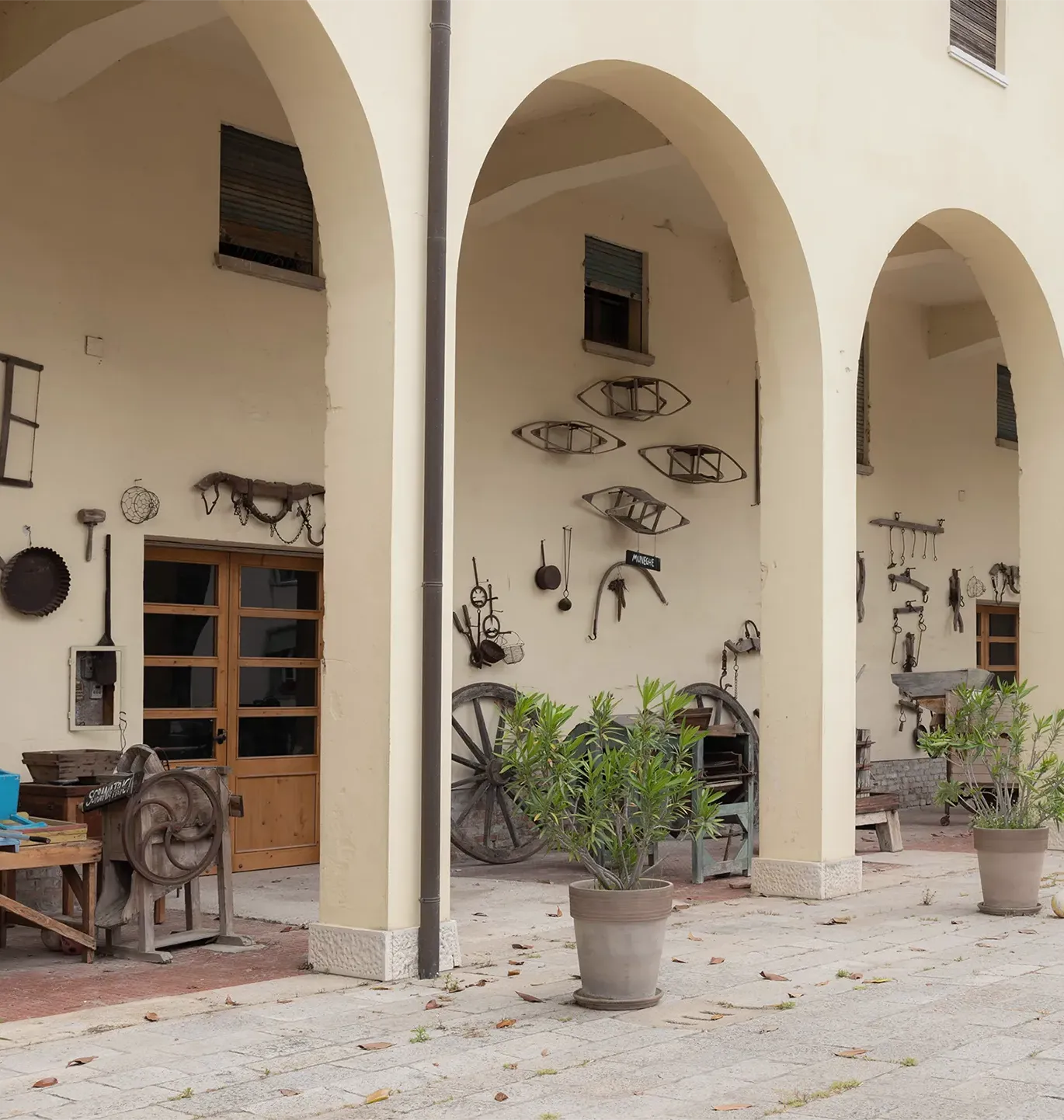
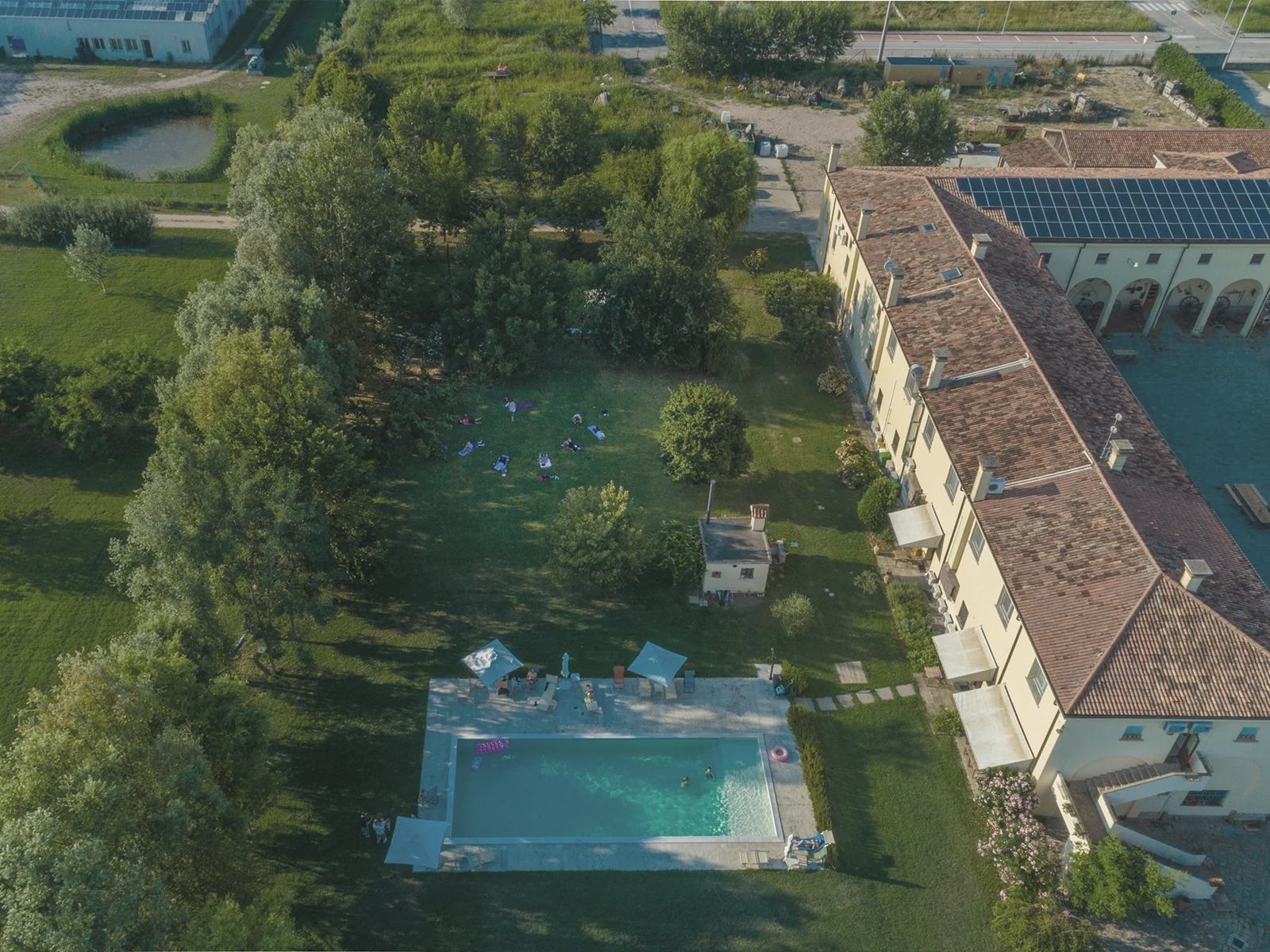
Un tempo polo di produzione, questa terra da generazioni è fatica e raccolto. Oggi, abbiamo trasformato la nostra eredità: aprendo le porte della Corte e trasformandola in un rifugio aperto a tutti, dove la natura si guarda e, soprattutto, si abita.
PRIMA DI TUTTO
UN RIFUGIO NATURALE
IL POLESINE
C’è una bellezza cruda in questo squarcio di pianura costruito dai sedimenti e dalla testardaggine. Il Polesine è la nostra scelta consapevole: un confine che abbiamo cercato per la sua capacità di resettare il rumore di fondo.
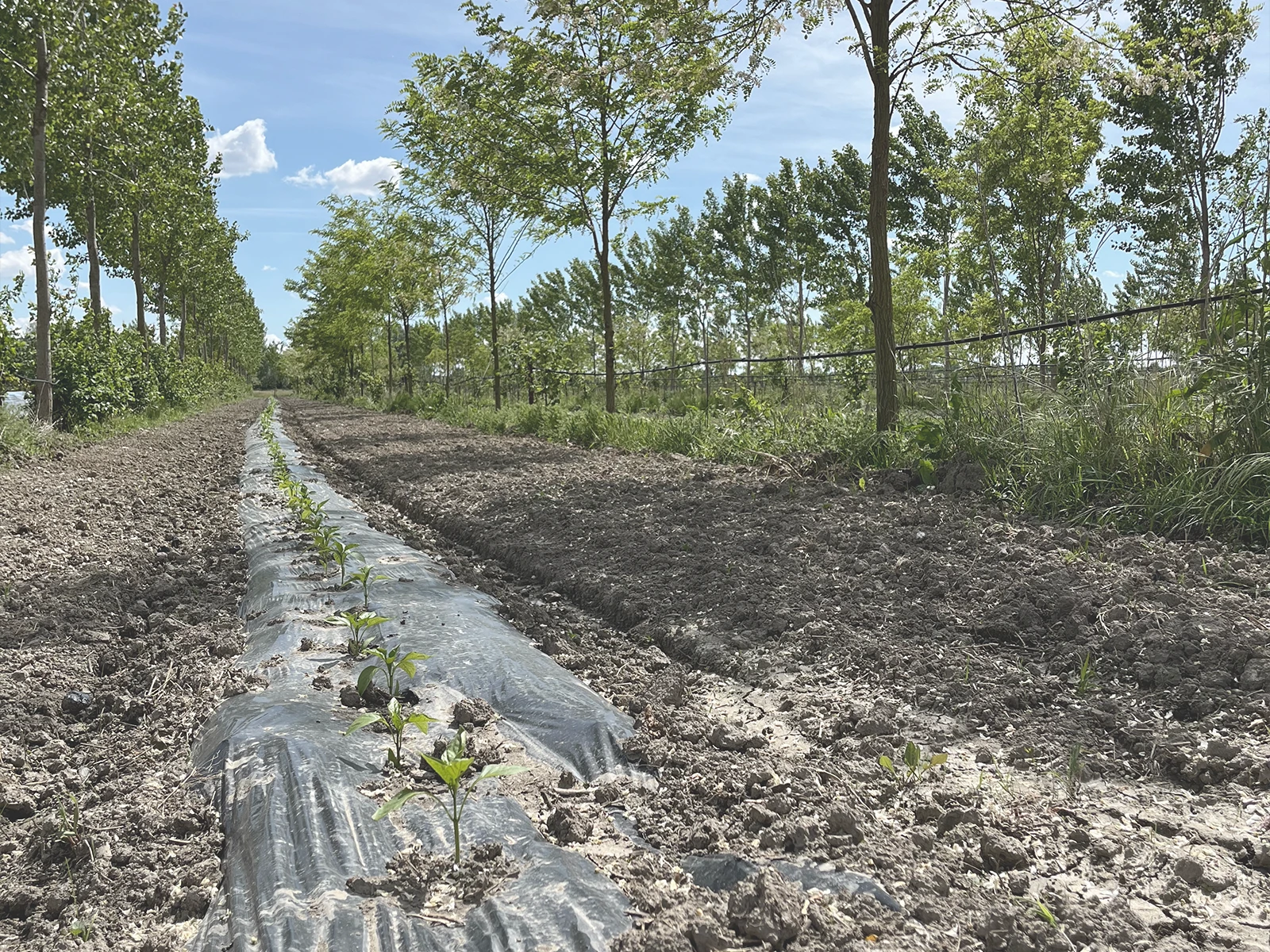
IL BOSCO CHE PROTEGGE LA CORTE
Abbiamo scelto di far spazio alla natura piantando oltre cinquemila essenze autoctone lungo i nostri confini e in alternanza alle colture. Un progetto di agroforestazione, che incentiva biodiversità animale e vegetale, ma soprattutto un impegno nei confronti del nostro territorio e del pianeta.
RISPETTO
Lontano dal rumore, lasciamo che il tempo lavori con noi; così ogni frutto matura senza forzature.
PAZIENZA
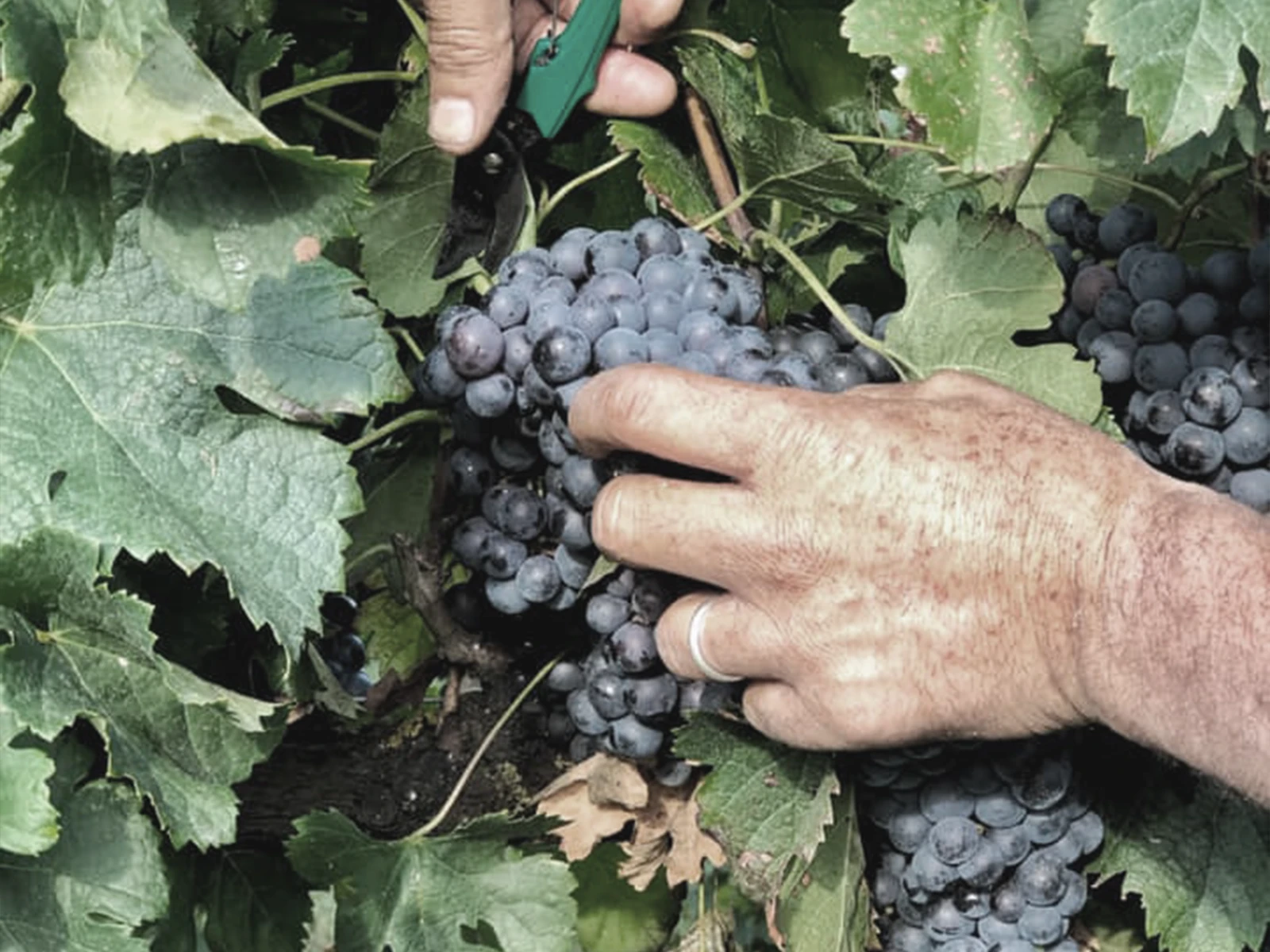
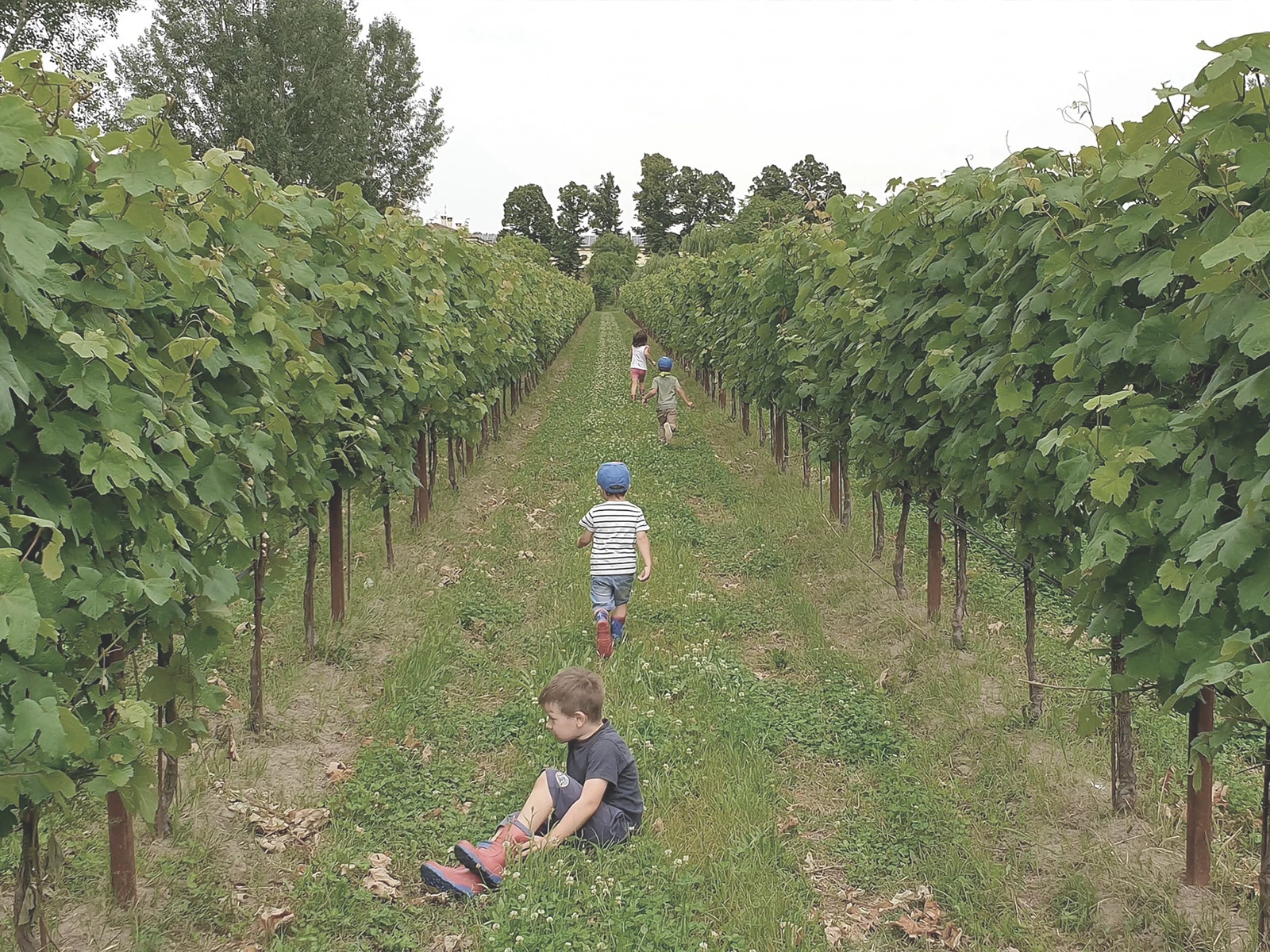
Recuperiamo l’anima polesana attraverso vitigni dimenticati, come Turchetta e Mattarella, riportando alla luce sapori che rischiavano di svanire tra le sabbie del fiume.
CURA
Un’attenzione quotidiana che non si esaurisce nel raccolto, ma che si traduce nella costruzione di un ambiente in equilibrio, accogliente e aperto.
Il nome Carezzabella è un errore di trascrizione sulle vecchie mappe catastali, quando l’originale dialettale Carezà Bela (bel sentiero di campagna) diventa un’unica parola. Una svista che oggi sentiamo come una profezia di accoglienza.
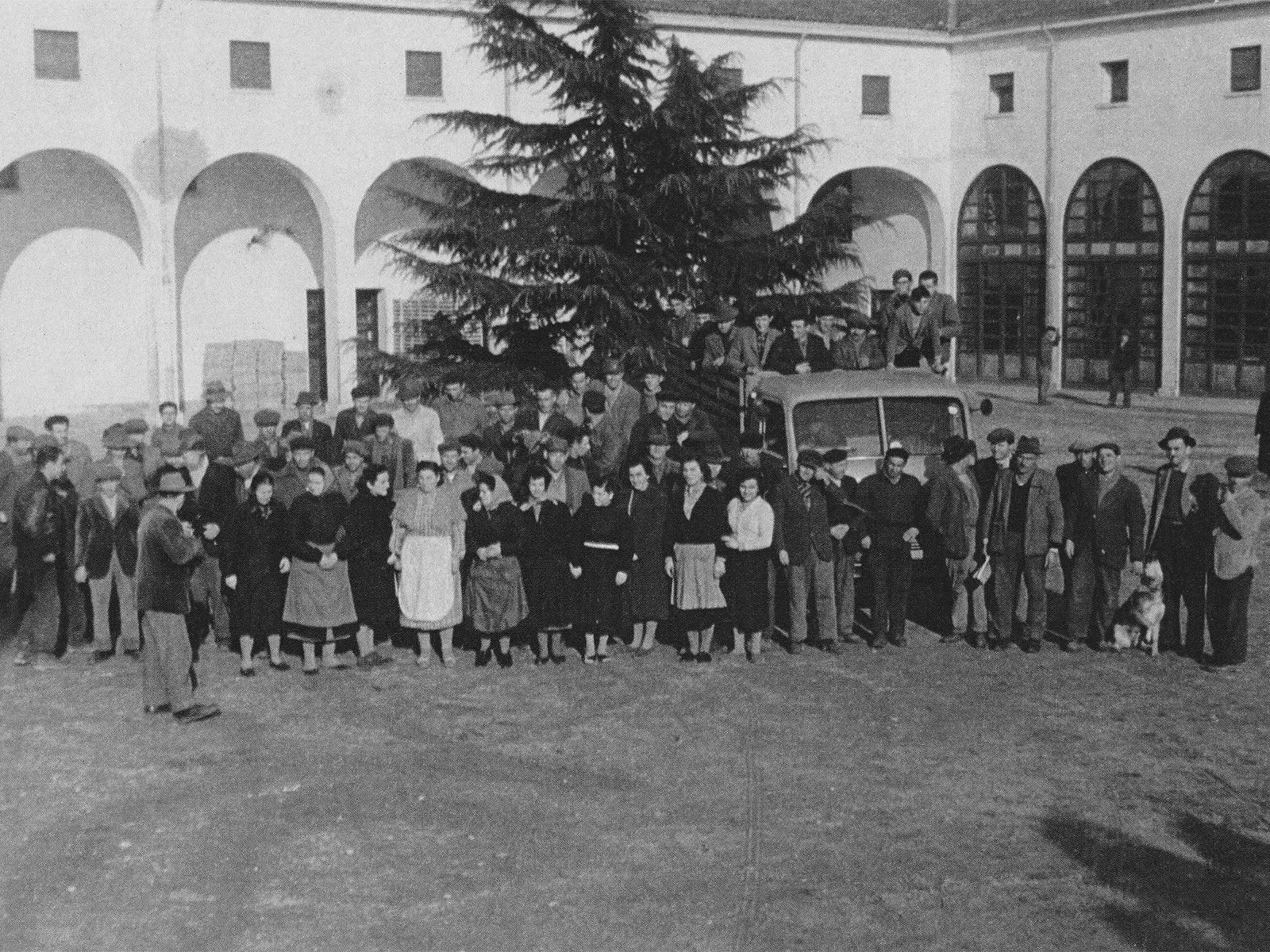
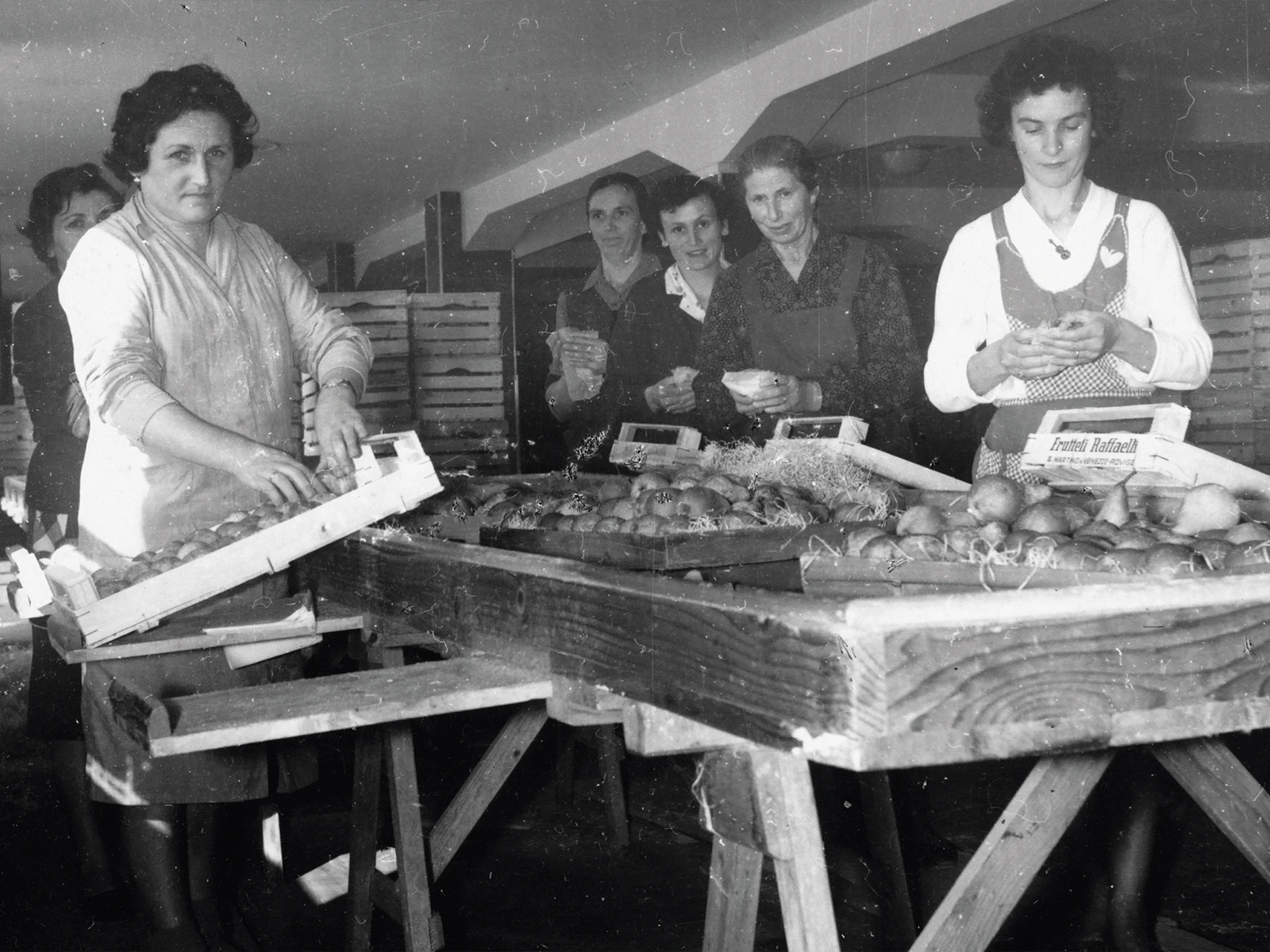
Nasce l’azienda agricola della famiglia Raffaelli. Fin da subito, la bottega diventa il cuore della frutticoltura polesana: un punto di riferimento che accoglie e dà lavoro alle famiglie del posto.
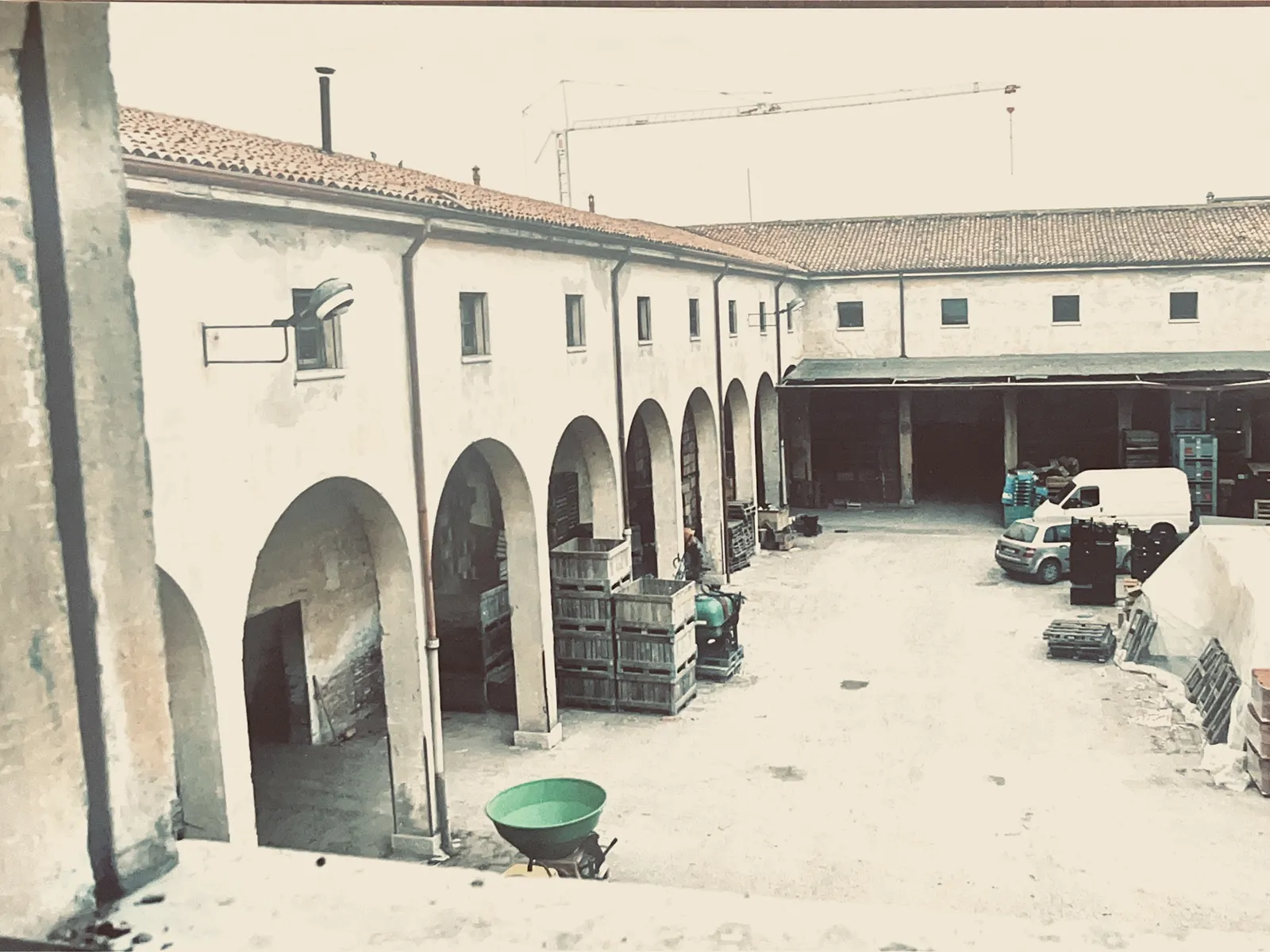
La Corte si afferma come un polo ortofrutticolo di rilievo europeo. I campi diventano un centro che raccoglie e vende frutta in tutto il continente e riempie i grandi magazzini del profumo dei raccolti.
Papà Giuseppe acquista i terreni della famiglia Raffaelli e inizia un lavoro paziente di cura e rinascita: mattoni recuperati e strutture sottratte all’abbandono diventano le fondamenta della Corte che conosciamo oggi.
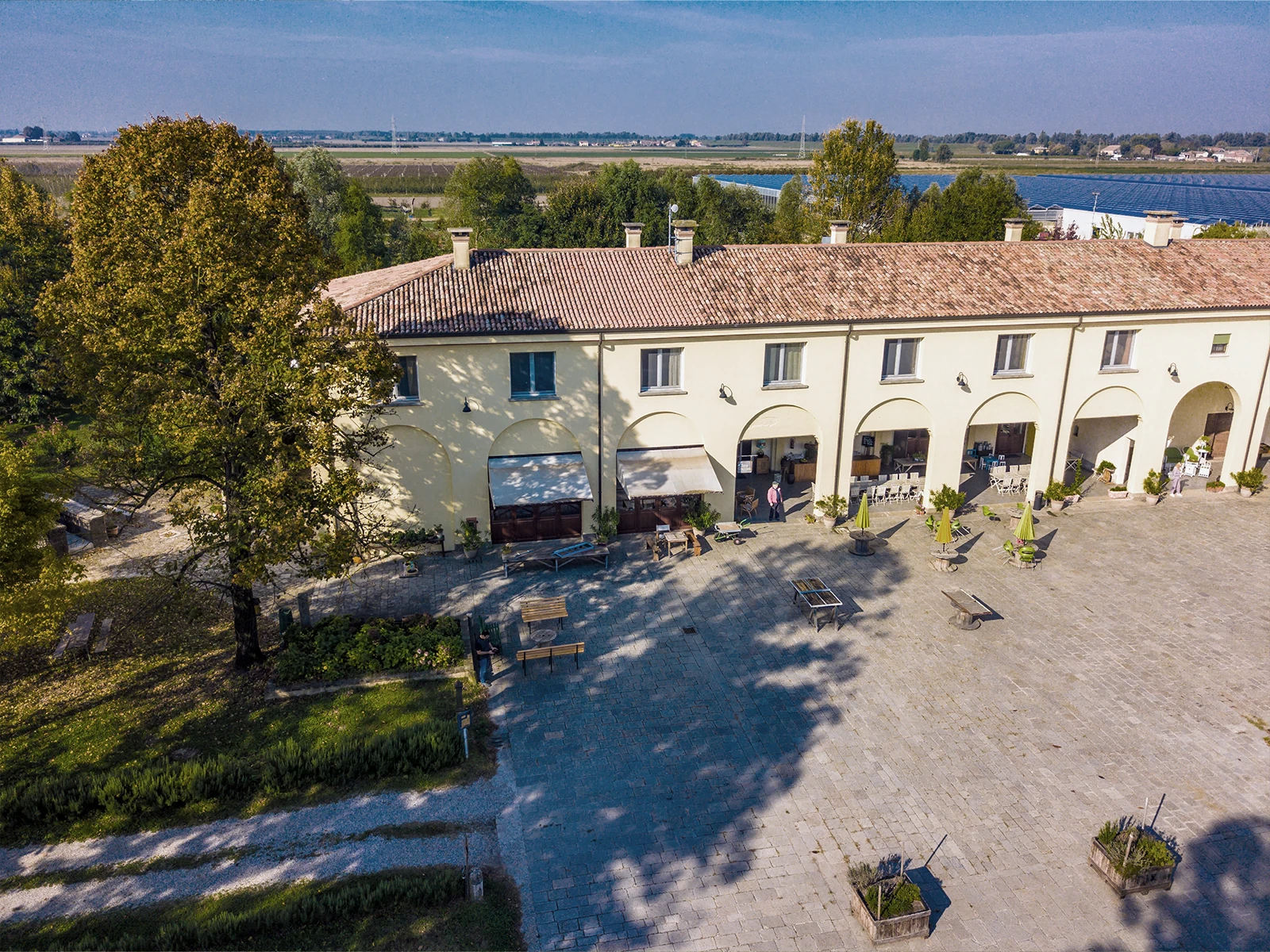
L’ala ovest viene restaurata e si aprono ufficialmente le porte all’ospitalità. La Corte diventa un luogo d’incontro e accoglienza.
La terra si diversifica per accogliere nuove storie: nascono le attività della fattoria didattica e imbottigliamo il primo vino, dalle vigne storiche degli anni ’50.
La Corte rinforza il suo patto con la natura: ottiene la certificazione biologica e pianta 5.000 alberi. La tutela della biodiversità diventa centrale nel nostro lavoro.
Con l’apertura dell’asilo “Cresco fuori”, la Corte si apre ai più piccoli per diventare un laboratorio vivo dove imparare direttamente dalla terra.
Con il restauro della cantina e del piano terra dell’ala nord, restituiamo senso, armonia e una nuova funzione a ogni spazio della tenuta.
PERSONE CHE FANNO LA CORTE
La Corte ha il passo di chi la vive. Si vede nella terra lavorata, nel calore di un benvenuto, nel tempo dedicato a chi cresce tra i nostri campi. Qui le competenze si mescolano al sudore e alla cura, per tenere in piedi un’idea di agricoltura che è, prima di tutto, la nostra vita.
Bringing the quality wines produced by the Family to the world.
A true pioneer, the first to believe in the potential of Armenia’s wine on a world stage and determined to put Armenia on a very high level from the very start, for over a decade Zorik, together with his wife Yeraz, focused on reviving the dormant wine industry of the country.
He started planting and teaching locals how to work the vineyards while at the same time instilling the idea to the people that Armenia could produce, not only excellent wines, but also unique wines from its native grape varieties debunking the general mind-set of winegrowers at the time that Armenia should follow the path of international varietals.
Bringing the quality wines produced by the Family to the world.
A true pioneer, the first to believe in the potential of Armenia’s wine on a world stage and determined to put Armenia on a very high level from the very start, for over a decade Zorik, together with his wife Yeraz, focused on reviving the dormant wine industry of the country.
He started planting and teaching locals how to work the vineyards while at the same time instilling the idea to the people that Armenia could produce, not only excellent wines, but also unique wines from its native grape varieties debunking the general mind-set of winegrowers at the time that Armenia should follow the path of international varietals.
Bringing the quality wines produced by the Family to the world.
A true pioneer, the first to believe in the potential of Armenia’s wine on a world stage and determined to put Armenia on a very high level from the very start, for over a decade Zorik, together with his wife Yeraz, focused on reviving the dormant wine industry of the country.
He started planting and teaching locals how to work the vineyards while at the same time instilling the idea to the people that Armenia could produce, not only excellent wines, but also unique wines from its native grape varieties debunking the general mind-set of winegrowers at the time that Armenia should follow the path of international varietals.
Bringing the quality wines produced by the Family to the world.
A true pioneer, the first to believe in the potential of Armenia’s wine on a world stage and determined to put Armenia on a very high level from the very start, for over a decade Zorik, together with his wife Yeraz, focused on reviving the dormant wine industry of the country.
He started planting and teaching locals how to work the vineyards while at the same time instilling the idea to the people that Armenia could produce, not only excellent wines, but also unique wines from its native grape varieties debunking the general mind-set of winegrowers at the time that Armenia should follow the path of international varietals.